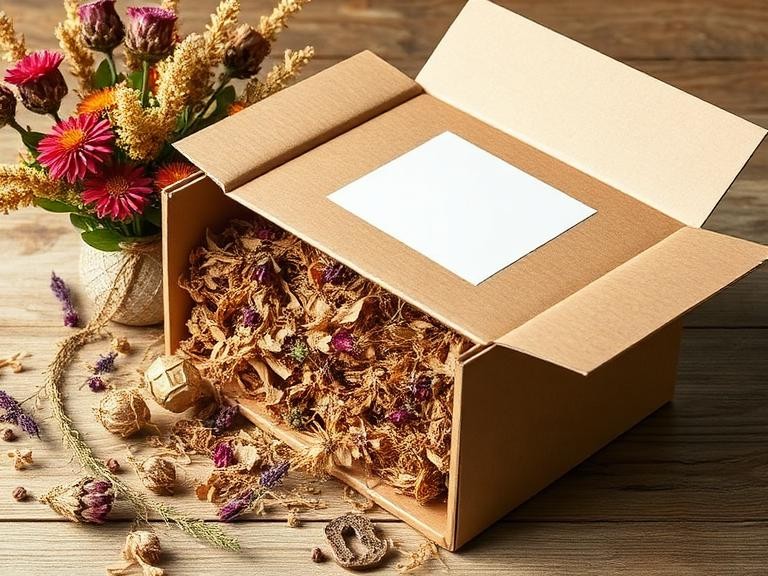
A package often reaches a customer before any product review, any follow-up email, or any second interaction with a brand. That first physical encounter carries more weight than most business owners realize. The box, the way it opens, the care put into the presentation, all of it shapes how someone feels about a purchase before they even see what’s inside.

For small and mid-sized businesses competing against larger retailers, packaging has become one of the few remaining spaces where a brand can genuinely stand out. It’s not just a container anymore. It’s a communication tool, a marketing surface, and often the deciding factor in whether a customer remembers a brand at all.
Why Packaging Has Become a Brand Touchpoint
A decade ago, packaging was mostly functional. Its job was to protect the product and get it from point A to point B without damage. That’s changed. As online shopping grew, so did the number of moments a brand could use to connect with a customer, and packaging turned out to be one of the most underused ones.
Think about how many products arrive at a doorstep in plain, unmarked cardboard. Now think about how different it feels to receive a box that looks intentional, with a logo, a color scheme, or a printed message inside. The product might be identical, but the experience isn’t.
This is where custom packaging earns its value. It gives a business the chance to reinforce its identity at a moment when the customer’s attention is fully on them, without the distraction of competitors on a shelf or a search results page.

The Psychology Behind Memorable Unboxing
People remember experiences more than they remember objects. That’s a basic principle of consumer psychology, and it applies directly to how packaging is perceived.
When someone opens a box that feels considered, whether through color, texture, or small extra touches like tissue paper or a handwritten note, they associate that feeling with the brand itself. It creates a small emotional lift, and emotional responses are far stickier in memory than plain transactions.
Consistency Builds Recognition Over Time
One unboxing experience won’t build a brand on its own. Recognition comes from repetition. When packaging uses the same colors, typography, and design language across every order, customers start to recognize a brand instantly, even before reading the label. This is the same logic that makes certain shipping boxes instantly identifiable at a glance, regardless of what’s printed on them.
Businesses that treat packaging as a one-off design task, rather than a consistent brand asset, tend to lose this advantage. The box becomes forgettable, and so does the experience attached to it.
Custom Packaging as a Low-Cost Marketing Channel
Marketing budgets are often stretched thin, especially for newer businesses. Packaging offers a way to get marketing value out of something a company already has to pay for anyway, since every product needs to ship in something.
A well-designed box can:
- Reinforce brand colors and logo placement without extra ad spend
- Encourage customers to share unboxing photos or videos on social media
- Serve as a physical reminder of the brand long after the purchase
- Reduce the perceived gap between a small business and larger competitors
None of this requires an oversized budget. Even modest design choices, like a printed interior flap or a consistent color palette, can shift how a package is perceived. Businesses exploring these options often start by researching providers such as BoxyPack, which works with brands to design packaging that reflects their identity without requiring large minimum orders or complicated production timelines.

Practical Ways to Improve Packaging Without Overcomplicating It
Not every business needs elaborate packaging to see results. Some of the most effective changes are simple.
Start With the Interior, Not Just the Exterior
Many brands focus entirely on the outer box and forget that the interior is where the emotional response actually happens. A printed insert, branded tape, or even a simple color contrast between the box and the product inside can make an ordinary package feel more thoughtful.
Match Packaging Size to Product Size
Oversized boxes with excess filler material don’t just waste money on shipping. They also create a less polished impression. Right-sized packaging feels more deliberate and shows attention to detail, which customers notice even if they can’t articulate why.
Use Packaging to Communicate, Not Just to Protect
A short printed message, care instructions, or a QR code linking to a loyalty program can turn a box into a small extension of customer service. It doesn’t need to be elaborate. A single sentence that feels personal often works better than a long paragraph that feels scripted.

The Role of Sustainable Materials in Customer Perception
Sustainability has moved from a niche preference to something customers actively look for, especially among younger shoppers. Packaging made from recyclable or biodegradable materials signals that a brand is thinking beyond the transaction.
This doesn’t mean every business needs to overhaul its entire supply chain. Small adjustments, like switching to recyclable mailers or reducing unnecessary plastic components, can influence how a brand is perceived without requiring a complete redesign. Customers tend to notice these details, and many are willing to view a brand more favorably because of them, even if it’s not the primary reason they made the purchase.
How Packaging Affects Repeat Purchases
Retaining customers is almost always more cost-effective than acquiring new ones, and packaging plays a quieter role in retention than most people assume. A positive unboxing experience doesn’t guarantee a repeat purchase on its own, but it removes friction from the decision. When a customer already has a good impression of a brand, choosing that brand again requires less mental effort the second time around.
This is particularly relevant for subscription boxes and repeat-purchase products, where the unboxing moment happens over and over. A brand that keeps its packaging consistent and thoughtful across multiple orders builds a kind of quiet trust that’s difficult to replicate through advertising alone.
Small Details That Encourage Loyalty
- A discount code printed inside the box for the next order
- Seasonal packaging updates that feel fresh without losing brand consistency
- Clear, simple instructions for returns or exchanges printed directly on the box
These details cost very little to implement but often influence whether a customer returns.
Avoiding Common Packaging Mistakes
Even well-intentioned businesses make missteps with packaging. The most common one is inconsistency, changing designs too frequently without a clear reason, which confuses brand recognition rather than strengthening it.
Another frequent issue is prioritizing aesthetics over function. A beautifully designed box that doesn’t protect the product properly creates a worse experience than plain packaging that arrives intact. Durability and design need to work together, not compete.
Finally, some businesses treat packaging as an afterthought during the design process, finalizing it only after the product itself is ready. Packaging works best when it’s considered early, alongside branding decisions, rather than bolted on at the last minute.
Bringing It All Together
Packaging is no longer just about getting a product from a warehouse to a doorstep. It’s one of the few remaining moments where a business gets a customer’s full attention without competition, distraction, or a screen in between.
Businesses that treat custom packaging as part of their overall brand strategy, rather than a purely functional expense, tend to build stronger recognition and more consistent customer loyalty over time. It doesn’t require a massive budget or a complete rebrand. It requires consistency, a bit of intentional design, and an understanding that the box itself is part of the product experience.
For businesses ready to explore what that looks like in practice, working with an experienced packaging partner can make the process far less overwhelming than trying to figure it out alone.