There are numerous activities that are linked to each other prior to the commencement of construction projects. Teams prepare drawings, study specifications, make quantities, prepare costs, and coordinate bid information. But, when spreadsheets are disconnected, there can be information gaps between departments. Multiple data entry can cause inconsistencies as well. Construction companies are thus increasingly seeking ways in which to process estimating data more systematically throughout their broader business processes.

Estimating is now increasingly linked to digital tools and systems and the structured workflows in modern construction projects. Modern estimation software for construction allows construction estimating to be associated with digital takeoffs, cost data, bidding and project planning. Provides teams with a central place to organize project information. Estimators are able to work with quantities, pricing, labor assumptions and material costs consistently. In the interim, project teams have access to more transparent information in their handoffs. There are still inputs and professional judgement that need to be accurate throughout the estimating process, though, in software.
What Is the Role of Estimation Software in Modern Construction?
Connecting Estimates With Project Information
The cost of construction is based on proper project information. Estimators prepare costs based on drawings, specifications, scope documents and other records available. This information is tied throughout the estimating process by a structured system. Assumptions, quantities, pricing and supporting documents can be compiled into one workflow for teams. This makes it easier to avoid having to look for anything across various folders and spreadsheets. It also provides better linkage between source information and the final estimate.
Moving Beyond Manual Spreadsheets
The use of spreadsheets is still prevalent in construction estimating. Manual files may become unwieldy when given projects grow in size, however. There may be alternate versions that are passed between team members. Other calculations may be impacted by formula errors. Digital Construction Estimating Provides a Structured Process. Consistent templates and cost categories can be used to organize information for teams. This way, there is not a lot of duplication, and estimate reviews are easier.
Creating a Consistent Estimating Process
Ensuring consistency when multiple individuals are preparing estimates for the same company. Otherwise, each estimator can have a different format, assumptions and cost structures. Such variations can hinder comparisons within an organization.Standardised templates provide a common starting point. Organizing of cost categories and assemblies can be done consistently by companies as well. This means that estimators can follow the practice that they have learned and still exercise professional judgement on a case-by-case basis.
How Does Estimation Software for Construction Connect With Digital Takeoffs?
Turning Drawings Into Measurable Quantities
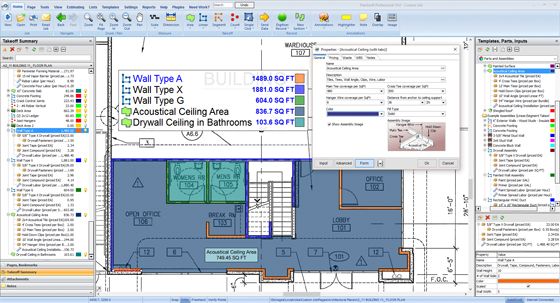
Digital takeoffs provide estimators with the ability to see project drawings and to measure quantities. These amounts can be areas, lengths, counts, volumes, etc. The information then can be incorporated into a broader estimating process. Estimation software for construction can link the quantity data to pricing models and cost estimates. This helps to establish a better linkage between measurements and approximate expenses within a project. But drawings still need to be carefully read by estimators, and they should ensure that the measurements are for the scope of the project.
Managing Changes in Project Drawings
Preconstruction involves a period of change in construction documents. Drawings that are revised may impact quantities, materials and labor. Hence the need for teams to have a structured method of change tracking. Version control of documents is simpler with digital workflows. Estimators can see revisions and adjust quantities as applicable. This is to make sure that you do not use information that is out of date. Technology can’t automatically recognize all scope changes, however. When the project requirements change, professional review is still required.
Linking Quantities With Cost Data
The team can add value to quantifiable data by linking in current cost information. Labor, material and equipment and subcontractor costs can be applied to appropriate items. Costing should be reflective of the way the business conducts itself. It is also important for companies to keep an eye on the market price changes periodically. Whether using cost software or not, an outdated cost may not be accurate.
How Does Estimating Software Fit Into the Preconstruction Workflow?
Reviewing Project Documents Before Estimating
Document review is the starting point of the estimate. Drawings are used to communicate information, and specifications are used to communicate important requirements. The original scope of the work may also be altered by Addenda. It is important for estimators to be familiar with these documents prior to taking quantities. Failure to meet a specification requirement can impact the whole estimate. Accordingly, software should be designed to circle the sound and scientific review process. Digital systems can manage documents – but they can’t take the place of technical knowledge. It is important for experienced estimators to be able to read and understand the project, as well as to be able to determine cost factors involved.
Preparing Detailed Project Estimates
A detailed estimate involves a number of cost factors. These can be for labor, materials, equipment, subcontractor costs, overhead and contingency. These elements can be structured in a logical format in construction estimating software. Teams have the opportunity to look at the cost breakdowns prior to bidding. They are more likely to be able to pick up on assumptions and exclusions too. The final estimate is dependent on the quality of its input, though. It is still vital to get the quantities correct and to have competitive prices.
Managing Bid Information and Subcontractor Pricing
There are many construction projects that need subcontractor pricing. The general contractor may ask for a number of quotes for varying scopes. Those quotations need to be studied carefully to make comparisons. A workflow system holds the bid information to the estimate. Teams can document price, scope, exclusions, supplier, etc. This provides consistency of documentation in the evaluation of bids. Estimators should compare scope carefully, but this shouldn’t be a strict rule. The lowest quote will not necessarily include all the items required.
How Does Estimation Software Improve Team Collaboration?
Giving Teams Access to Shared Project Data
There are multiple departments on construction projects. The information may be needed by various people, such as estimators, managers, procurement personnel and project staff. More visibility between these groups with shared project data. Teams can access the same data rather than different files. This helps to minimize confusion in key project meetings. Access control is also a factor. Companies should identify who can have access to cost data to be able to edit and who can access the cost data so that they can review the completed estimates.
Reducing Duplicate Data Entry
Repeated data entry consumes time and increases error risks. Teams may otherwise copy quantities and costs between different documents.Estimation software for construction can reduce unnecessary duplication by keeping estimating information organized within connected workflows. This creates clearer records and reduces repeated manual transfers. However, companies should still verify information during important handoffs. Connected systems work best when teams follow consistent data practices.
Keeping Estimators and Project Teams Aligned
It doesn’t stop once a company has been awarded a project. Having a clear understanding of assumptions, pricing, quantities and exclusions is of critical importance to project teams. Clear handoffs help to minimize misunderstandings. The basis of the estimate can be viewed by the project manager prior to implementing construction activities. The construction estimating workflow is therefore related to the preconstruction decisions and then the subsequent work on the project. This association becomes more significant on a more complicated project.
How Does Estimation Software Connect With Project Cost Management?
Using Historical Cost Information
The completed projects are helpful in making future estimates. Previous costs of labor and materials and results of production can be viewed by the team. New pricing can be determined through historical data. But this should not be an unquestioned copy of the past costs. The market may change and the needs of the project might shift considerably. Prospective estimators use past data and information to provide estimates. This will enable much more realistic expectations when preparing estimates.
Comparing Estimated Costs With Actual Results
Companies can learn from the difference between estimated and actual costs. After project completion, teams can review where assumptions matched results and where differences occurred. These comparisons can reveal recurring estimating issues. For example, labor assumptions may require adjustment across certain project types. Estimation software for construction can make cost comparisons easier when companies maintain organized records. However, meaningful analysis still depends on accurate project data.
Maintaining Updated Cost Databases
The costs in cost databases need to be reviewed regularly. The costs of materials, labor and equipment may vary as time passes. Businesses should have a formal system in place to provide users with more current cost data. Estimators also need to be familiar with situations where pricing specific to the project needs to be dealt with separately. Information from the present time provides a better basis for estimates. No database, however, can anticipate all future changes in the marketplace.
What Features Matter Most in Modern Construction Estimating Workflows?
Quantity Takeoff Tools
Quantity takeoff software enables estimators to measure a project using project documentation. To be able to calculate costs accurately, you have to have the right amount. These quantities can be better organized using digital measurement tools. But estimators should check critical measurements and the scope of projects thoroughly. The quality of the takeoff is directly impacting subsequent estimating decisions.
Cost Databases and Assemblies
Cost databases are used to group together common pricing data. Assemblies can combine various pieces of labor, materials, and equipment within an “assembly” that is structured and grouped together. These features help to make estimates consistent from one similar estimate to another. They can also minimize repetitive start-up operations. But businesses need to tailor costs to fit their business operations. This may be a general problem, and pricing or productivity issues may vary from company to company or locale to locale.
Reporting and Estimate Review
Reports provide decision-makers with more clarity on estimated information. Teams can go through totals, cost categories, assumptions, exclusions, etc.Internal reviews can detect those figures that do not stand out before the bid is submitted. Another check may identify missing information as well. Good reporting helps to promote communication between estimators and management.
How Does Estimation Software Fit Different Construction Businesses?
General Contractors
GC’s typically have multiple trades and subcontracts. They may have to quote for a wide range of scope and multiple bid packages. Estimates are more easily managed with organized estimating workflows. They can compare subcontractor pricing and keep records on various types of projects. Each contractor, however, needs to have a workflow which suits his project structure.
Speciality Contractors
Speciality contractors specialize in certain fields and speciality areas. The estimates they provide could be based on certain special assemblies, labor productivity and material calculations. These specific requirements can be incorporated into construction cost estimating software if it’s set up properly. The importance of trade knowledge is continual throughout the estimating process. The workflow needs to be tailored to the contractor’s real services in order to be a specialized workflow.
Growing Construction Companies
As companies grow, they may handle more bids and bigger project quantities. This expansion may place a strain on the current estimating systems. The more people join the team, the more consistency there will be when there are standardized workflows. They also help to organize the historical project information. But businesses should not overlook unneeded functionality that isn’t appropriate.
What Challenges Can Affect Software Adoption?
Training and Workflow Changes
Changes in daily work practices are needed with new technology. Staff must be given the opportunity to learn new processes and responsibilities. Training should be in real estimating jobs. Teams need to be familiar with the overall system that it fits into. Fewer delays in internal processes can decrease confusion in the adoption process.
Data Migration and Setup
Businesses can also have years of spreadsheets, cost databases and historical estimates. Data needs to be carefully planned in order to be moved over to a new system. Teams need to take a look at the old information prior to migration. Inconsistent or old records may cause issues later on. A clean setup will create a better base for future estimating.
Integration With Existing Systems
Separate accounting and project management systems are typically employed by construction companies. Such systems can include information that relates to the estimating process.If possible, construction estimation software should be compatible with a company’s other technology. The teams should be aware of what information is flowing between systems and when. Failure to plan for integration properly can cause new data gaps as well as old data gaps.
How Can Construction Companies Choose the Right Estimating Workflow?
Understanding Current Business Processes
The companies need to first look at the current estimating process before making changes. They are able to spot where information is sourced, transferred and shared within a team. This review can identify miscommunicated activities and repetitive tasks. It also helps to develop the understanding of the actual business needs. The technology choices should be based on these findings, not general trends.
Matching Features With Project Requirements
There are multiple types of construction projects that are carried out by construction businesses. The size of the project, the degree of specialization of the trade and the estimation of complexity may impact software needs. Companies should take into account what features they use frequently. They should also look into the workflow of the common documents and the cost they have to deal with. The correct one should be suitable to daily activities.
Evaluating Long-Term Workflow Requirements
As businesses expand, so do their needs evolve. In the future, teams might need to have more users, project data, integrations, or reporting. It is helpful to have a sense of context when evaluating software when looking at long-term planning. But companies must take into consideration the future requirements while keeping the present practical requirements in mind. For smaller teams a complex system can be a hindrance.
Conclusion
Accurate data are crucial in modern construction practices, flowing from estimating to bidding and then into project teams as they work. Processes can be linked together, and quantities, costs, documents and assumptions can be organised in them digitally. But technology shouldn’t supplant professional judgement and careful review of documents. Businesses still require accurate data and standards to estimate. If selected for real business requirements, estimation software for construction can easily integrate into today’s workflow and establish better links between preconstruction activities and postconstruction.
FAQs
What Is Estimation Software for Construction?
Construction estimation software is the digital tool that helps with organizing quantities, cost, pricing and project information in the estimating process. It can link take-offs with costing and can provide an estimation of preparation.
Could an Estimating Software Replace a Professional Estimator?
No. Software can make calculations and organize information, but it does not offer technical judgement. They decipher drawings, scope and assess project conditions.
What Does Estimating Software Mean in the Construction Industry?
It can link takeoff, cost data, bids and project handovers in a process. Teams have better records for preconstruction activities.
What Should Contractors Consider Before Choosing Estimating Software?
Contractors should take into account the type of project, workflow needs, integrations, costs, training requirements and future business needs.