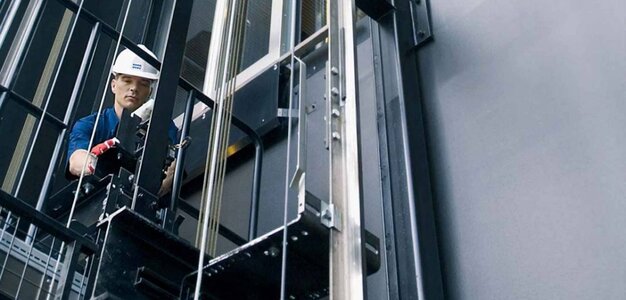
Commercial elevators run a number of cycles daily. Constant movement wears the mechanical, electrical and control parts over time. Ageing equipment can thus be more prone to failure, to longer periods of diagnostics, and to higher maintenance requirements. But, because of their age, an elevator may not necessarily be unsafe. Prior to deciding on repair, the owners of buildings need to check the condition of those pieces of equipment, maintenance logs, operating performance and applicable safety requirements.

When equipment becomes old, multiple parts can become worn out, and repairs will be more complicated and time-consuming. Commercial elevator repair can be more difficult for older systems as parts for the elevators are no longer available and the control technology is outdated. These conditions can lead to reduced uptime and be difficult to troubleshoot. As a result, the owner should not assume a problem exists in a single elevator part but rather have a full picture of the elevator. There is existing ASME guidance for inspection, testing, maintenance, alteration and repair for elevator systems.
What Happens to Commercial Elevator Equipment as It Ages?
Mechanical Components Experience More Wear
Repeated movements of mechanical components occur during the operating life of an elevator. Mechanical stress is a common occurrence in brakes, traction equipment, ropes, sheaves, bearings and door mechanisms. Their condition can be impacted over time, especially under high traffic loads operating equipment.
The rate of wear may not be uniform for all components. Some may be in use without needing to be worked on; others need to be worked on sooner. Thus, technicians have to examine the condition of components one by one and take into account the interaction between the components and the larger system.
An example of door equipment is the most common. Their operators and rollers operate on a cycle, and lock and other mechanisms repeat during each day of work. Wear may cause doors to operate slower and more inconsistently and become louder. These indications should be professionally checked before they get to be a recurring service issue.
Care needs to be taken with braking and traction components. These systems are used to control the movement and stop. These systems are used for controlled movement and stopping. Their condition may vary depending on the use, maintenance, operating environment and equipment design.
Electrical and Control Components Become Outdated
Electrical systems may have varying issues related to ageing. The maintenance of controllers, drives, circuit boards, relays, wiring and sensors can be more challenging as technology evolves.
Older controllers also can present diagnostic issues when technicians are dealing with obsolete components. A fault can be a number of related electrical components that must be replaced as a whole, not just one component. Therefore, technicians might require further testing to determine the cause of a problem.
The changes in technology can also be a source of compatibility problems. Sometimes the replacement controller may not communicate with all of the old components. Hence, technicians should take all of the control architecture into account when choosing replacement equipment.
The ASME A17 series of standards includes those related to elevator operation, inspection, testing, maintenance, alteration and repair. The standards are a good technical reference, but the requirements apply to the jurisdiction and adopted code edition.
Replacement Parts Become Harder to Source
As equipment gets older, parts availability is even more crucial. Some older controllers, boards, drives, switches or mechanical devices could be discontinued by the manufacturer. This could then leave suppliers with limited choice of direct replacement options.
This could extend the repair lead time. Technicians may have to seek out replacement parts that will fit from selected suppliers or determine a suitable replacement plan. In the interim, the elevator might not be available while the part is being procured.
Availability of parts should consequently be included in the long-term planning of equipment. It is important to note that something that is still repairable now may be harder to maintain in the future. This should be taken into account along with frequency of breakdown and maintenance expenses.
How Does Aging Equipment Increase Commercial Elevator Repair Needs?
Frequent Breakdowns and Recurring Faults
Recurring faults can occur in older equipment over a range of operating systems. A door issue can reoccur, and controller/traction issues can occur at times. If these events occur often, the repair record could show that there is a bigger trend.
The building owner should take a holistic approach to repeated service calls, rather than addressing them one by one. One problem could involve something simple to fix. There are some common issues with the equipment that can signify bigger equipment issues, however.
This review will benefit from maintenance records. They can report the most commonly broken-down parts and the number of times elevator technicians visit the same elevator. This provides owners with a better guideline to make future equipment decisions.
Longer Diagnostic and Repair Times
When technicians are faced with outdated technology, it can take longer for ageing systems to be diagnosed. Older controllers may not give as much diagnostic data as newer controllers. This means that technicians can use more testing and fault data from the past.
Troubleshooting can also be complex when there are interconnected components. A symptom may not be a sign of the source of the fault. Some examples of inconsistent levelling might include controls, sensors, drives or mechanical parts.
Correct diagnosis is important because substituting the wrong part will leave the problem unsolved. It is important for the technicians to determine the cause of the problem before suggesting expensive replacement work.
Rising Repair and Maintenance Costs
As an elevator gets older, so can repair prices. Owners may be called to service more often, with longer labor hours and more expensive parts to be ordered. Emergency repairs can also cause disruption to the operations of commercial properties.
But that doesn’t necessarily mean that the only way to cover these costs is to replace. Owners should review the entire maintenance history prior to that. A clear record will help to determine if costs are headed into or out of control.
There are also economic impacts to downtime. Elevators are essential for in-and-out traffic of commercial buildings, to move employees, to accommodate visitors, tenants and deliveries, and for handicap accessibility. These extended outages can then cause operations issues that go beyond the repair bill associated with repairing the work.
Which Elevator Components Require More Attention as They Age?
Elevator Doors and Door Operators
Elevator doors are used many times in their life. Wear can occur over time in the area of the door operator, rollers, locks, sensors and landing door equipment.
Typical operational issues include strange noises, erratic door movement, frequent opening and closing, slow closing, or frequent door issues. These symptoms need to be professionally assessed, as a few elements may cause similar symptoms.
Repeated shutdowns may also occur due to issues with the doors. Therefore, the entire door assembly must be checked by a technician, not just one component of the door without any comprehension of the larger door situation.
Brakes, Ropes, and Traction Systems
The movement of elevators is controlled by a variety of accessories, including brakes, ropes, sheaves, and traction equipment. They can impact ride quality, stopping capabilities and operational reliability.
They must be properly inspected and maintained. The correct inspection techniques are dependent on the type of equipment, codes, manufacturer’s requirements and local regulations.
The ASME A17.2 standards offer guidelines for inspection and testing of electric and hydraulic elevators. It includes elevator system procedures that are covered by the codes.
Owners should also keep up to date with service histories. These records will be helpful for technicians as they assess the history of a component and maintenance required in the future.
Controllers, Drives, and Electrical Systems
Elevator controllers and drives can be problematic parts when aging elevator equipment. Older electronic systems can have obsolete boards and parts.
There could be other compatibility issues that a technician might run into when replacing the parts. Equipment to be replaced must function properly with other parts of the elevator system.
The entire control system should thus be taken into account when considering electrical inspection. Technicians can assess fault history and wiring condition, control responses, parts availability, and equipment compatibility.
What Safety Concerns Can Ageing Elevator Equipment Create?
Reduced Reliability During Daily Operation
When multiple parts start to wear out, the ageing equipment can have more interruptions with its operation. Unforeseen shutdowns, door faults, levelling issues and control problems can impact building operation.
However, even if an elevator is still moving, there is a need to take reliability concerns into account. If the equipment keeps keeping stopping and starting, it may be a sign of equipment issues that will need expert evaluation.
Don’t presume that an elevator is still fit just because it still works. Operating condition, maintenance history, inspection data and the requirements apply are better indicators.
Outdated Safety and Control Technology
Older equipment might employ various safety and control technologies that are not found in newer equipment. But just because someone is old doesn’t mean there has been a safety violation.
Rather, it is important to review the specific equipment to be evaluated with relevant requirements. The relevant code is dependent on the jurisdiction, type of equipment, installation date, and adopted standards.
There are distinct standards for existing elevators and equipment related to elevators. A17.3 contains safety requirements that are designed to be applicable to existing elevator installations and is a reference for building owners, engineers, contractors and other professionals.
Problems With Emergency and Safety Systems
Care needs to be taken in the maintenance and inspection of emergency systems. Communication equipment, safety circuits, braking systems and other safety parts need to function properly.
Over time, components may exhibit faults which are not detected during normal use. As a result, it is important for qualified personnel to conduct inspections on safety equipment as per procedures.
The owner needs to keep inspection and maintenance records as well. These kinds of records provide valuable records for building managers and technicians.
When Does Ageing Equipment Require More Than a Basic Repair?
Repeated Repairs No Longer Resolve the Problem
If the same faults reappear after the repairs are made, it can be a sign of trouble if the problem recurs. If a problem keeps recurring, then it could be that another piece of equipment that is connected to it needs to be replaced or upgraded.
Or, because a single control part may be failing, replacing just that one control can fail to cure the issues arising from multiple out-of-date electrical parts. Likewise, a failing door could present several mechanical issues.
In such cases, commercial elevator repair might be able to fix short-term problems, but it is also important to take into account the condition of the equipment. A professional evaluation can figure out if more repairs are sensible or not.
Critical Components Become Obsolete
An obsolete component is another key decision factor. Manufacturers’ obsolescence may create a problem in getting parts.
Older systems may also rely on equipment that is not seen frequently by the techs. This could extend the time it takes to diagnose and make it harder to perform maintenance in the future.
Therefore, the owner needs to take into account parts availability in equipment lifecycle planning. If critical components are not readily available, they make a repair strategy more unpredictable.
Repair Costs Continue Rising
Increasing repair expenses may suggest a need to plan the elevator’s lifecycle in a broader scope. Owners need to consider the costs of repairs on an annual basis, along with equipment age, downtime, parts availability, and future maintenance needs.
Business disruption should also be taken into account in making the comparison. Cheaper repair bills don’t necessarily mean a lower total cost if frequent outages occur.
A history of costs is valuable information to a building manager for future decisions. It can also help inform elevator professionals of repair or modernization or replacement.
How Can Building Owners Assess Aging Commercial Elevators?
Review Maintenance and Repair Records
One big problem typically yields more information than one isolated incident. For instance, if the doors have been repaired multiple times in the past few years, it could signify that the building as a whole is in need of attention.
Good documentation also facilitates good communication between building management and elevator contractors. Technicians have the ability to look at the past and analyze the diagnostic process before starting to do new diagnostics.
Schedule Professional Inspection and Testing
A professional inspection offers a better indication of equipment conditions. Qualified elevator professionals are able to inspect mechanical, electrical, control and safety parts in accordance with the proper procedure.
The parameters for inspections differ from jurisdiction to jurisdiction. Hence, the owners of buildings should adhere to the relevant local legislation and adopted safety measures.
The inspection and testing guidance are provided by ASME A17.2, and the local authorities will decide what requirements are applicable to the installation.
Evaluate Equipment Condition as a Complete System
An elevator is like a system of systems. Mechanical parts interface with electrical controls, sensors, safety circuits, doors and traction equipment.
For this reason, it is important to owners not to assess one component without taking into account the overall system. A thorough evaluation can uncover issues where compatibility may be an issue, and that may not be identified with individual repairs.
This system-level approach also helps to generate improved information for system-level planning of life cycles. Owners are able to determine any necessary repairs that can be done right away and take into account longer-term equipment needs.
Should Businesses Repair or Replace Ageing Elevator Equipment?
When Continued Repair Makes Sense
When equipment is reliable, and replacement parts are still available, continued repair may still be feasible. The elevator may also just need individual part repairs.
Consideration should be given to the owner of the vehicle to the results of the inspection, how often the vehicle needs to be repaired, the operating conditions, and the availability of parts for the vehicle in the future. These are more important than just the equipment’s age.
If the elevator in an older building is in good condition and is deemed to be in a safe operating state by professionals, it can continue to operate until the building is deemed unsafe for use.
When Modernization Becomes a Consideration
Use of older equipment or repeated elevator failures may be a factor in considering modernization. Other factors are parts availability, obsolete controls and growing maintenance expenses.
But upgrades should be considered by professionals. The scope will vary based on the equipment condition, building needs, regulatory requirements, long-term operating plans, etc.
Owners may also want to ask if there are several issues that tend to come up over and over and can be solved in a concerted effort with modernization.
Comparing Short-Term Repairs With Long-Term Costs
The short-term repair decision needs to be made not only by the cost of the service but also by considering other factors. Owners should consider downtime, emergency calls, parts availability, maintenance scheduling and equipment reliability.
A pattern can only be seen over a long period of time. For instance, several minor repairs over a number of years could end up being more expensive than anticipated.
The final decision should make use of operational needs and on-the-job evaluation. Another point to consider is to review the codes and/or inspection requirements that may apply to the businesses before approving significant changes to the equipment.
How Can Preventive Maintenance Reduce Aging Equipment Problems?
Follow Equipment-Specific Maintenance Requirements
The maintenance of elevators is dependent on the type of equipment used, conditions of operation, manufacturer’s requirements and applicable regulations. No one-size-fits-all maintenance schedule works for all installations.
Owners need to have in place a written maintenance programme, therefore. This information is useful to technicians for equipment condition evaluations and for planning the next service.
ASME materials cover elevator system maintenance programmes, inspection procedures and maintenance records.
Track Recurring Faults and Component Wear
Fault tracking can give you a lot of good information on ageing equipment. Recurring failures, replacement of parts, dates of service and extended outages should be noted by building managers.
These records can give you clues to trends that can become a significant operational concern. They also provide technicians with helpful background information when inspecting in future.
Well-documented lifecycle planning may then be reinforced. Owners can know which parts of the components to pay more attention to and judge the continuity of repair patterns.
Address Minor Issues Before They Become Larger Failures
Repairing the small equipment concerns in time can help avoid big problems. Technicians should troubleshoot the problem, however, before replacing parts.
There may be several interacting components that result in a minor door issue. Only treating the symptoms can leave the root cause untreated.
The best way for preventive maintenance to work is for the technician to perform routine checks while keeping accurate records of work performed. This method provides an improved understanding of the condition of equipment over time to the owner. e.
What Should Businesses Consider Before Choosing Commercial Elevator Repair?
Equipment Age and Operating History
Age of the equipment should be considered but not the sole criterion for making the decision. Another important thing to check for is operating hours, traffic, maintenance history, previous repair jobs, and common issues.
An over-used elevator may have different wear patterns as compared to a similarly aged, lightly used system. As such, it is important to consider the operating history when planning repairs.
Parts Availability and System Compatibility
The availability of parts may have a direct impact on the time taken for repairs. Owners need to establish if there are still available sources for critical components.
Compatibility is also important when the technicians are replacing the older equipment. New components need to be compatible with the existing system. A full technical review can be conducted to determine any integration issues prior to beginning work.
Safety, Compliance, and Future Maintenance
Businesses need to take into account safety needs in addition to repair costs. Regulations that are applicable can include requirements for documentation, alteration, maintenance or inspection.
ASME A17.1 is a known code of practice for the design, installation, operation, inspection, testing, maintenance, alteration and repair of elevators. Owners are required to comply with the code and regulations set out by the owners’ local jurisdiction, however.
Looking forward, maintenance is important, too. A repair to solve a current problem may leave other parts of the system in use that have aged. Therefore, it is important for owners to take the broader picture of a project’s lifecycle into account prior to approving large amounts of work.
Conclusion
Aged equipment may impact elevator reliability, repairability, part availability and maintenance costs. But the age of equipment doesn’t necessarily mean repair or replacement. The building owner should take a look at maintenance records, common issues, components and safety elements, and future parts availability. These decisions are supported by a more solid professional basis through professional inspection. Finally, when a professional elevator technician is available to evaluate a system and correct problems in accordance with the safety codes, commercial elevator repair is still an important component of the process of ageing equipment management.
FAQs
What changes does ageing make to commercial elevator repair?
Complications and recurring faults, diagnostic difficulties and part availability issues may be exacerbated as a result of ageing. In certain instances, commercial elevator repair might need to be more in-depth when a number of components begin to wear out.
What are the common issues of old commercial elevators?
Typical issues are worn brakes, faulty doors, low traction, controller issues, electrical failures and outdated parts. If the machine keeps breaking down, it may also be a sign of the deterioration of the equipment.
How to Know When You Should Consider Modernizing Your Elevator?
If businesses are facing repeated repairs, experiencing an increase in maintenance costs or their critical parts are becoming outdated, then it’s time to think about modernization. The decision should be made based on the professional evaluation.
What can be done to minimize the repair work on older elevators?
This can help businesses to keep accurate service records, follow the required maintenance timelines, identify recurring issues and schedule professional inspections. With early identification, some issues may be avoided from becoming bigger operational issues.